NASA’s Swift Telescope Reenters After 22-Year Mission
NASA’s Swift Telescope Reenters After a 22-Year Mission
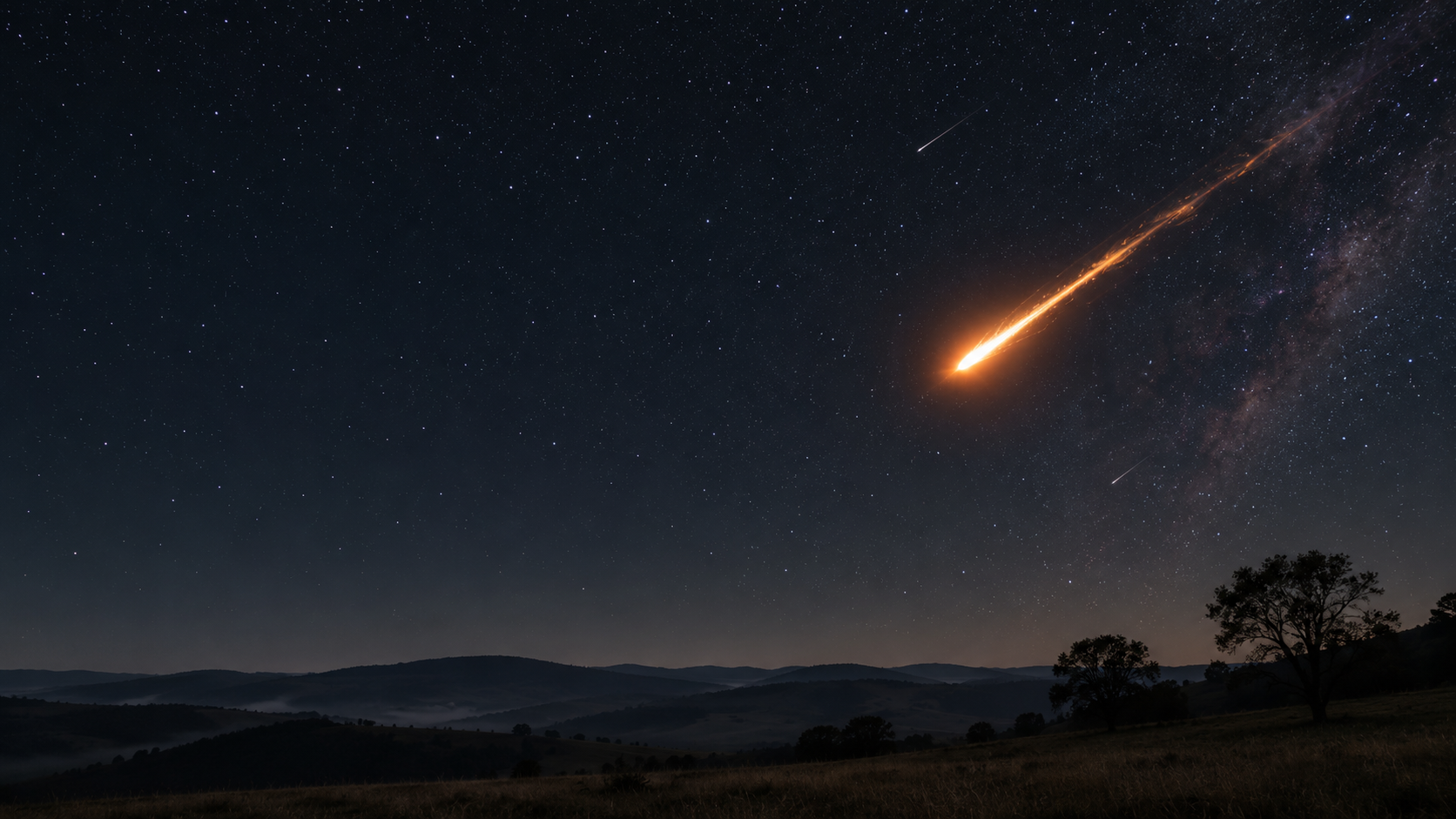
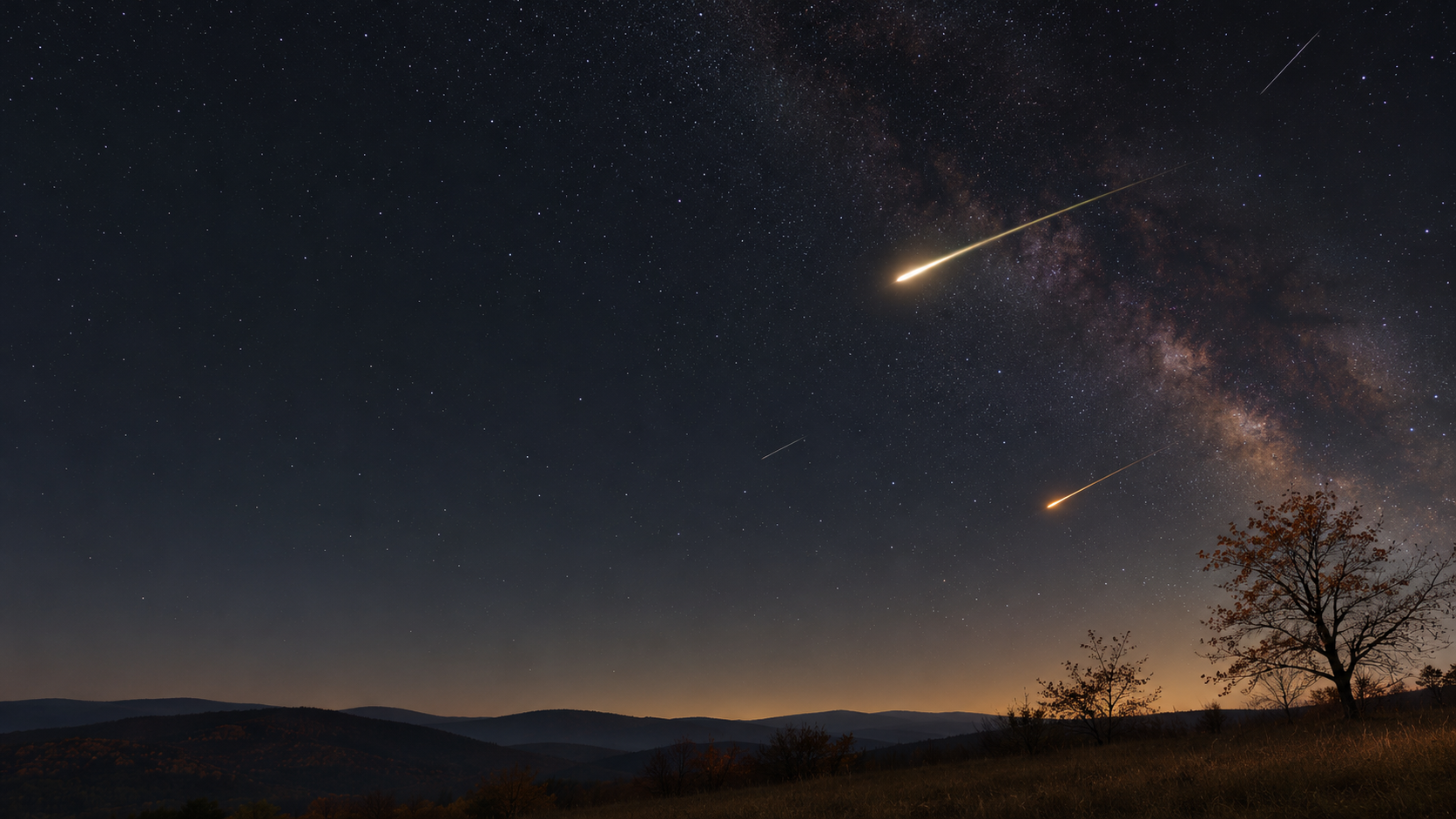
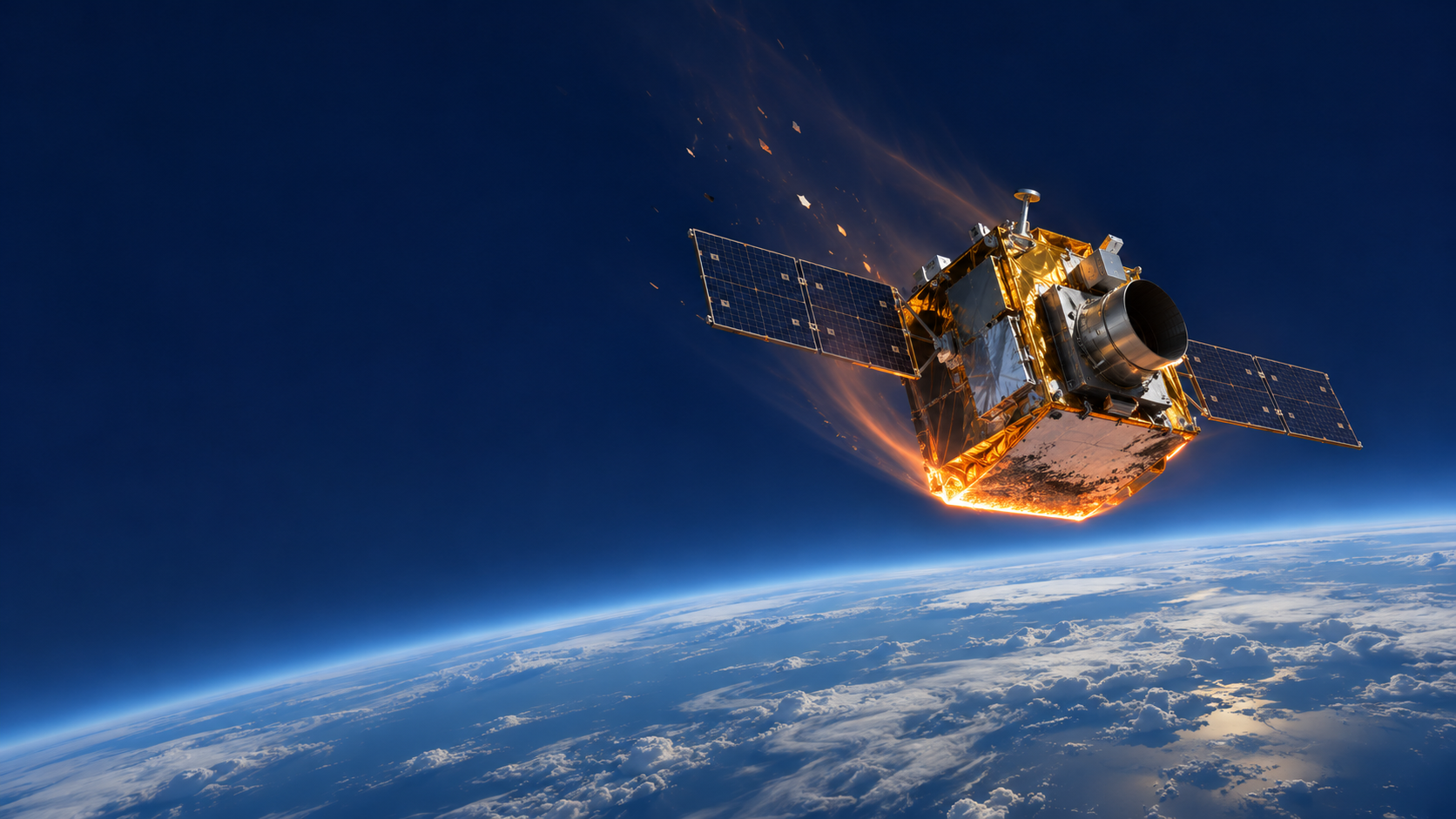
NASA’s Swift space telescope has ended its mission after an unsuccessful attempt to restore or stabilize the aging spacecraft. After approximately 22 years in orbit, Swift reentered Earth’s atmosphere.
The spacecraft’s physical mission is over, but its scientific archive will remain available to researchers. Swift transformed the study of gamma-ray bursts and other rapidly changing events across the universe.
What Happened to Swift?
Swift developed a problem that threatened its ability to continue normal operations. Mission controllers attempted to recover the observatory or restore enough control for continued science, but the effort was unsuccessful.
The failed recovery did not mean that Swift immediately fell to Earth. A spacecraft can remain in orbit after losing operational capability, gradually descending as atmospheric drag removes orbital energy. Once the spacecraft could no longer maintain its orbit, natural decay led to atmospheric reentry.
Available reports do not establish every technical detail of the failure. Potential problems for an aging spacecraft include faults in attitude control, communications, power systems, propulsion, sensors, onboard computers, or thermal systems.
Swift’s 22 Years in Orbit
Swift operated for approximately 22 years, far longer than the expected service life of many space missions. That longevity gave astronomers an extensive record of high-energy cosmic activity.
Long missions can provide:
- More observations of rare events.
- Longer records for studying changes over time.
- Larger archives for future research.
- Opportunities to investigate phenomena that were not anticipated at launch.
They also create technical challenges. Radiation exposure, mechanical wear, power degradation, communications faults, and aging control systems can eventually limit a spacecraft’s ability to operate safely.
What Was Swift Designed to Study?
Swift was built to detect and study gamma-ray bursts, brief flashes of extremely energetic radiation from distant parts of the universe. These events can be among the most powerful explosions known, but their brightest emissions may fade quickly.
The spacecraft was designed for rapid response. After detecting a transient event, Swift could determine its location and redirect its instruments toward the source. Its instruments observed gamma-ray, X-ray, ultraviolet, and optical wavelengths.
This combination allowed scientists to study:
- The origins of different types of gamma-ray bursts.
- The deaths of massive stars.
- The formation of black holes.
- Newly created neutron stars.
- The evolution of explosions and their afterglows.
Swift also contributed to research on supernovae, variable stars, black holes consuming matter, neutron stars, and other high-energy transients.
How Swift’s Instruments Worked Together
Swift’s instruments provided complementary observations of cosmic explosions:
- A high-energy instrument detected a transient event.
- Swift calculated the event’s position.
- The spacecraft rapidly turned toward the source.
- Its X-ray, ultraviolet, and optical instruments tracked the event.
- Researchers combined the results with observations from ground-based telescopes.
Different wavelengths reveal different physical processes. Gamma rays can identify the initial event, X-rays can show activity around the source, and ultraviolet and optical observations can track the fading afterglow and help determine the event’s distance and host galaxy.
Where Did Swift Reenter?
Reports linked Swift’s reentry to a region near Indonesia. Other coverage discussed whether a projected debris corridor could extend toward Colombia.
These reports require careful interpretation. A reentry corridor is an area of uncertainty, not a confirmed impact location. It may refer to the predicted atmospheric-entry point, the breakup area, or the wider region where surviving debris could have fallen.
Reentry predictions are difficult because atmospheric density changes with solar activity and other conditions. The spacecraft’s orientation, altitude, tracking accuracy, structural breakup, and final timing also affect the forecast. Even a small timing uncertainty can translate into a large distance along the ground track.
No confirmed impact location in Colombia should be inferred without official tracking or post-reentry assessments.
Could Swift Debris Have Reached the Ground?
Much of a spacecraft is expected to burn up or fragment during atmospheric reentry. As Swift descended into denser air, aerodynamic forces and heating would have increased, potentially destroying lightweight components while allowing some dense or heat-resistant parts to survive.
The available reports do not establish the amount of surviving debris or identify recovered components. The risk to any individual person was expected to be very low because most of Earth is covered by ocean and many land areas are sparsely populated.
Anyone who finds a suspected spacecraft fragment should avoid touching or moving it. The object could have sharp edges, pressurized components, battery materials, residual propellant, or other hazards. People should move away, avoid disturbing the area, record the location from a safe distance, and contact local emergency services or relevant authorities.
Why Swift’s Reentry Matters
Swift’s end highlights the growing challenge of managing aging satellites. Spacecraft may remain useful well beyond their original design lives, but eventually they can lose the fuel, control systems, or redundancy needed for a controlled disposal maneuver.
Space agencies must manage:
- Uncontrolled orbital decay.
- Collision risks.
- Fragmentation events.
- Reentry forecasts.
- Public safety communication.
- The increasing population of orbital debris.
Modern missions increasingly include end-of-life strategies such as controlled atmospheric reentry, movement to a disposal orbit, or continued tracking during natural decay. Older spacecraft may not have been designed to meet current debris-mitigation expectations.
Swift’s final reentry also demonstrates the resilience of long-lived spacecraft. Its decades of observations created a scientific record that can support research long after the hardware has disappeared.
Swift’s Scientific Legacy
Swift no longer collects observations, but its archive remains available for analysis. Researchers can revisit its data with improved software, compare its measurements with newer missions, and search for patterns that were not visible when the observations were first recorded.
The mission also helped establish rapid-response astronomy as a core capability. Swift connected space-based detection with ground-based follow-up, allowing researchers to study transient events before their earliest and most informative emissions faded.
Future missions and observatories will build on this model through fast detection, automated alerts, rapid repositioning, multiwavelength observations, and international follow-up campaigns.
Conclusion
NASA’s Swift space telescope ended its approximately 22-year mission after an unsuccessful recovery attempt and subsequent atmospheric reentry. Reports associated the reentry with a region near Indonesia, while separate coverage discussed possible debris corridors involving Colombia. Precise locations and any surviving debris require confirmation from official tracking data.
Swift’s instruments captured gamma-ray, X-ray, ultraviolet, and optical observations of some of the universe’s most violent and rapidly changing events. Although the spacecraft is gone, its archive and scientific legacy will continue to support astronomy for decades.
Frequently Asked Questions
What happened to NASA’s Swift telescope?
Swift ended its mission after an unsuccessful recovery or stabilization attempt. After approximately 22 years in orbit, it reentered Earth’s atmosphere and likely fragmented during descent.
Why could NASA not save Swift?
Available reports confirm that the recovery attempt failed but do not establish every technical cause. Aging spacecraft can experience failures involving attitude control, communications, power, propulsion, sensors, or onboard computers.
Where did Swift reenter?
Reports linked the reentry to a region near Indonesia. The exact breakup area and debris footprint require confirmation from official tracking assessments.
Could Swift debris have landed in Colombia?
Some reports considered whether Colombia could fall within a projected debris corridor. A corridor represents uncertainty and does not mean that debris landed at a specific location.
Did Swift burn up completely?
Not necessarily. Much of the spacecraft likely burned up or fragmented, but dense or heat-resistant components may have survived.
What was Swift designed to study?
Swift was designed to detect and observe gamma-ray bursts and other short-lived high-energy events across gamma-ray, X-ray, ultraviolet, and optical wavelengths.