Southern Taurid Meteor Shower: How to See Fireballs
Southern Taurid Meteor Shower: How to See Fireballs Tonight
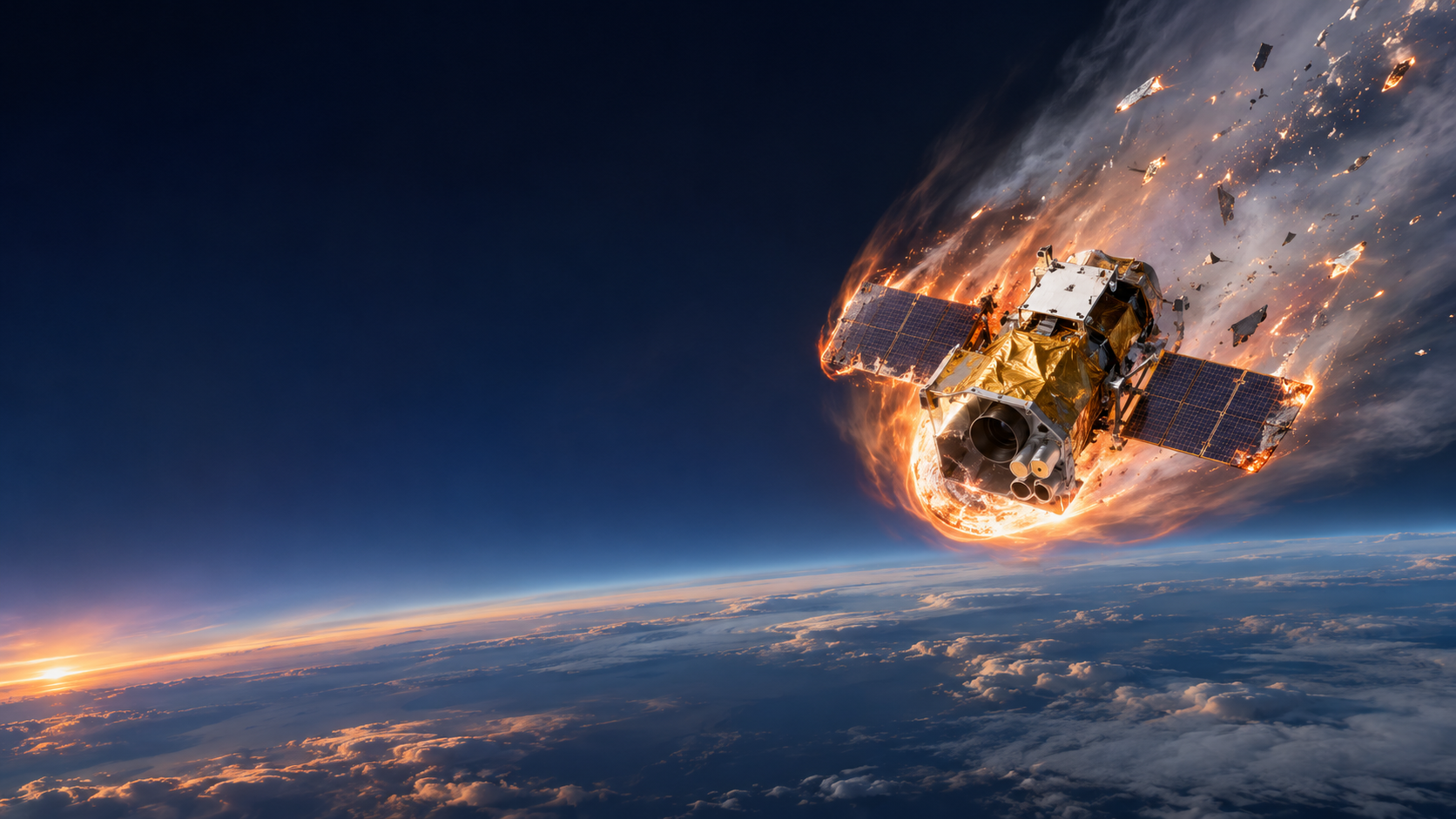
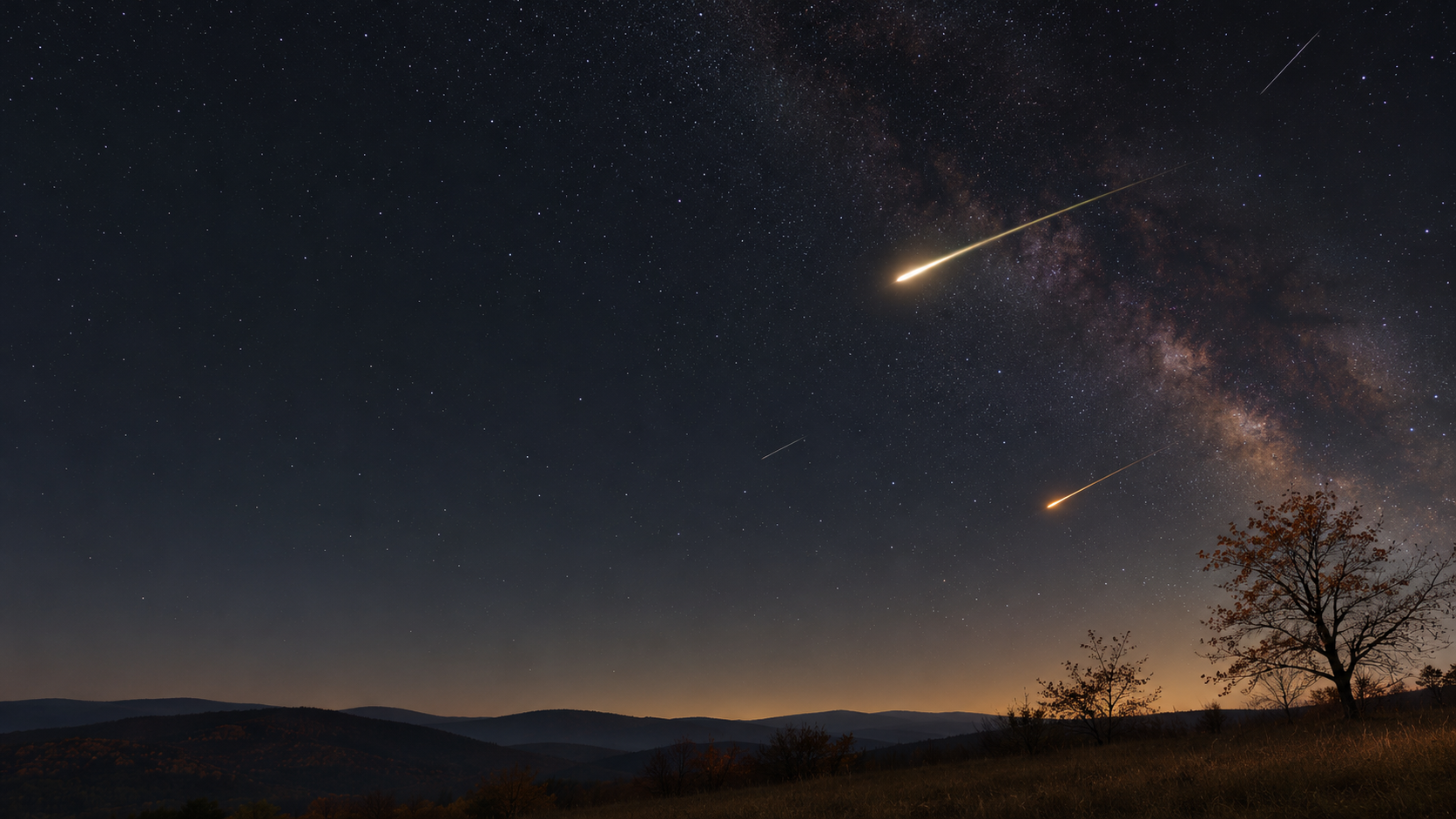
The Southern Taurid meteor shower may peak tonight, offering observers a chance to see one of the sky’s most dramatic sights: an unusually bright fireball. Fireballs are exceptionally luminous meteors that can briefly outshine ordinary shooting stars, sometimes leaving glowing trails or flaring as they cross the atmosphere.
A peak does not guarantee a continuous display or a fireball for every observer. Cloud cover, light pollution, haze, moonlight, and the openness of the horizon will determine what you can see. Source 3
What Are the Southern Taurids?
The Southern Taurids are produced by debris associated with Comet Encke. As the comet travels around the Sun, it leaves behind dust and small rocky particles. Earth periodically passes through this debris stream.
When a particle enters the atmosphere at high speed, friction and compression heat the particle and the surrounding air. The resulting glowing streak is called a meteor.
- Meteoroid: A particle traveling through space.
- Meteor: The glowing streak produced in the atmosphere.
- Meteorite: A surviving fragment that reaches the ground.
Most meteoroids burn up high above Earth. Larger or denser particles can create much brighter events known as fireballs.
The meteors appear to travel outward from a region near Taurus, which is called the radiant. This is a perspective effect: meteors can appear anywhere across the sky, so you do not need to stare directly at Taurus to see them.
The Southern Taurids are related to the Northern Taurids, but the two are separate streams with different radiant positions and activity patterns.
Why the Southern Taurids Produce Fireballs
The Southern Taurid stream is associated with relatively large debris from Comet Encke. Larger particles can release more energy as they enter the atmosphere, creating meteors that are brighter and sometimes longer-lasting than ordinary shooting stars.
The shower is known for quality rather than quantity. It may not produce as many meteors as some major annual showers, but its brightest events can be spectacular. A single fireball can attract attention from people who are not actively watching the sky. Source 1
A fireball may:
- Shine far more brightly than a typical meteor.
- Cross a large section of the sky.
- Remain visible for several seconds.
- Leave a temporary glowing trail.
- Flare or fragment before disappearing.
Fireballs are unpredictable. The peak increases the opportunity for sightings but does not mean that a fireball will appear at a specific minute or in every location.
When to Watch Tonight
The Southern Taurids are expected to reach peak activity tonight. A meteor-shower peak is a period of increased activity, not a single guaranteed moment. Meteors can remain visible before and after the peak.
Because the word “tonight” becomes outdated quickly, confirm the current local date and peak timing with a reliable astronomy calendar or local skywatching resource.
Start observing after the sky becomes fully dark. Activity often improves later at night because Earth’s rotation carries your location into the direction of its movement through the debris stream. The hours before dawn can therefore offer favorable conditions when practical.
The best viewing time depends on:
- Your time zone and latitude.
- The shower’s current activity forecast.
- Moon illumination and position.
- Cloud cover and atmospheric transparency.
- The height of Taurus above the horizon.
Check an hourly weather forecast and an astronomy app before leaving home.
Where to Look
Choose the darkest safe location available. City centers, bright buildings, sports fields, shopping areas, and major highways reduce contrast and hide faint meteors.
Suitable locations may include rural areas, designated dark-sky sites, permitted beaches or open fields, and parks with a clear horizon. Check access rules, avoid trespassing, and never stop on an unsafe roadside.
The radiant near Taurus helps identify the shower, but it is not always the best place to focus. Meteors close to the radiant can appear shorter because of perspective. Look roughly 45 degrees or more away from the radiant to see longer trails.
Keep your gaze broad and face the darkest part of the sky. A reclining chair makes it easier to watch a large area without straining your neck. Do not use a telescope as your main viewing instrument; its narrow field of view makes it easy to miss a fast meteor.
Moonlight may wash out faint meteors, although a bright fireball can remain visible. Clouds can block the shower completely, while haze, smoke, humidity, and poor transparency can reduce visibility even when the forecast says clear.
Can You Watch Without Equipment?
Yes. The Southern Taurids are visible to the unaided eye under dark skies. Unaided viewing is often preferable because it provides a wider field of view and makes sudden fireballs easier to detect. Source 1
Binoculars are optional but unnecessary. A telescope is generally unsuitable because it shows too little sky at once.
A phone can help identify Taurus, check weather conditions, or record a bright meteor. Its screen can damage night vision, so use red-screen mode and the lowest practical brightness. Check maps and forecasts before going outside, then keep the screen covered between uses.
How to Improve Your Chances
Allow your eyes 20 to 30 minutes to adjust to darkness. Avoid headlights, white flashlights, and bright screens. Use a dim red flashlight if necessary, and shield it from other observers.
Plan to watch for at least 30 minutes. Meteor activity comes in bursts and pauses, and fireballs are especially sporadic. A longer session gives your eyes time to adjust and increases the chance of seeing a bright particle.
Bring:
- Warm layers.
- A blanket, sleeping bag, or reclining chair.
- Water and snacks.
- Insect protection where needed.
- A dim red flashlight.
- A charged phone for emergencies.
Choose a legal, stable observation site. Avoid roadsides, cliffs, unstable slopes, isolated hazards, and private property. If you are traveling to a remote area, tell someone where you are going and when you expect to return.
What You Might See
Most meteors will appear as brief, faint streaks. Fireballs are less frequent, and long pauses between sightings are normal. Possible sights include short flashes, long glowing trails, sudden bright streaks, and objects that flare or fragment.
Some especially bright meteors leave temporary glowing trails. High-altitude winds can make these trails appear to twist or change shape. Not every fireball produces one, and apparent colors can vary with the meteor’s speed, composition, and brightness.
A successful viewing session does not require a constant stream of meteors. The most memorable moment may last only a few seconds.
Photographing a Taurid Fireball
For photography, use a camera with manual exposure controls, a wide-angle lens, a stable tripod, and a timer or remote shutter. Repeated exposures are more effective than trying to react manually to a meteor.
A wide lens covers more sky and improves the chance of capturing an event. Keep the camera display dim so it does not interfere with your night vision or disturb other observers.
Some smartphones can record bright meteors using night or astrophotography modes, but results depend on the device, settings, sky brightness, and camera direction. No photograph is required for a successful observation; a fireball may be easier to remember than to capture.
What to Do If You See a Fireball
Record the details immediately after the sighting:
- Exact time.
- Observation location.
- Direction of travel.
- Approximate altitude.
- Duration.
- Color.
- Whether it flared or fragmented.
- Whether it left a lingering trail.
- Whether anyone else saw it.
Share notable observations with a recognized meteor-observation organization or national astronomy group. Do not identify a rock as a meteorite solely because you saw a fireball. A bright flash, sonic boom, or unusual stone does not prove that a meteorite landed nearby.
Common Mistakes to Avoid
- Expecting a constant stream: Activity comes in bursts and pauses.
- Watching from bright surroundings: Artificial light hides faint trails.
- Using a telescope: Its narrow field of view misses fast meteors.
- Checking a bright phone repeatedly: Screen light damages night vision.
- Leaving too soon: Watch for at least 30 minutes, and longer when conditions are comfortable.
Viewing Checklist
Before watching the Southern Taurids tonight:
- Confirm the current local date and peak timing.
- Check hourly cloud cover, visibility, and precipitation.
- Find a safe location with an open view.
- Move away from artificial lights.
- Bring warm clothing and a reclining seat.
- Allow your eyes to adjust to darkness.
- Watch broadly across the sky.
- Keep expectations realistic.
- Record the time and direction of any fireball.
- Share exceptional observations responsibly with an astronomy group.
Conclusion
The Southern Taurids may peak tonight, offering a chance to see bright fireballs linked to debris from Comet Encke. The display may remain quiet for long periods, but one brilliant meteor can make the entire observation worthwhile.
Check the local forecast, choose a safe dark location, leave the telescope at home, and give your eyes time to adjust. No special equipment is required. Clear skies and patience provide the best chance of seeing a Taurid fireball.
FAQ
What time is the Southern Taurid meteor shower visible tonight?
The best viewing period depends on your location, local darkness, weather, moonlight, and the current peak forecast. Start after full darkness and, when practical, continue into the later nighttime or pre-dawn hours. Confirm the current date and peak timing with a local astronomy calendar or skywatching app.
Can I see Southern Taurid fireballs without a telescope?
Yes. The shower can be observed without special equipment under dark skies. Unaided viewing is preferable because your eyes cover more sky than a telescope.
Why are Southern Taurid fireballs considered rare?
The shower is associated with unusually bright meteors, but fireballs do not appear continuously. Larger particles in the Comet Encke debris stream can create more luminous events. “Rare” refers to their standout brightness and unpredictable timing.
Where is the best place to watch the Southern Taurids?
Choose a safe location far from city lights with a broad, unobstructed view. Rural areas and designated dark-sky sites generally offer better visibility, although a bright fireball may still be visible from a suburb.
What should I bring?
Bring warm clothing, a reclining chair or sleeping bag, water, insect protection, and a dim red flashlight. Carry a charged phone for emergencies while limiting screen use. Add a tripod and camera if you want to photograph the event.
Will clouds or light pollution prevent me from seeing fireballs?
Thick clouds can block the shower completely. Light pollution hides faint meteors, although bright fireballs may remain visible from suburban areas. Check cloud cover, haze, smoke, humidity, and visibility before leaving.